Current Issue
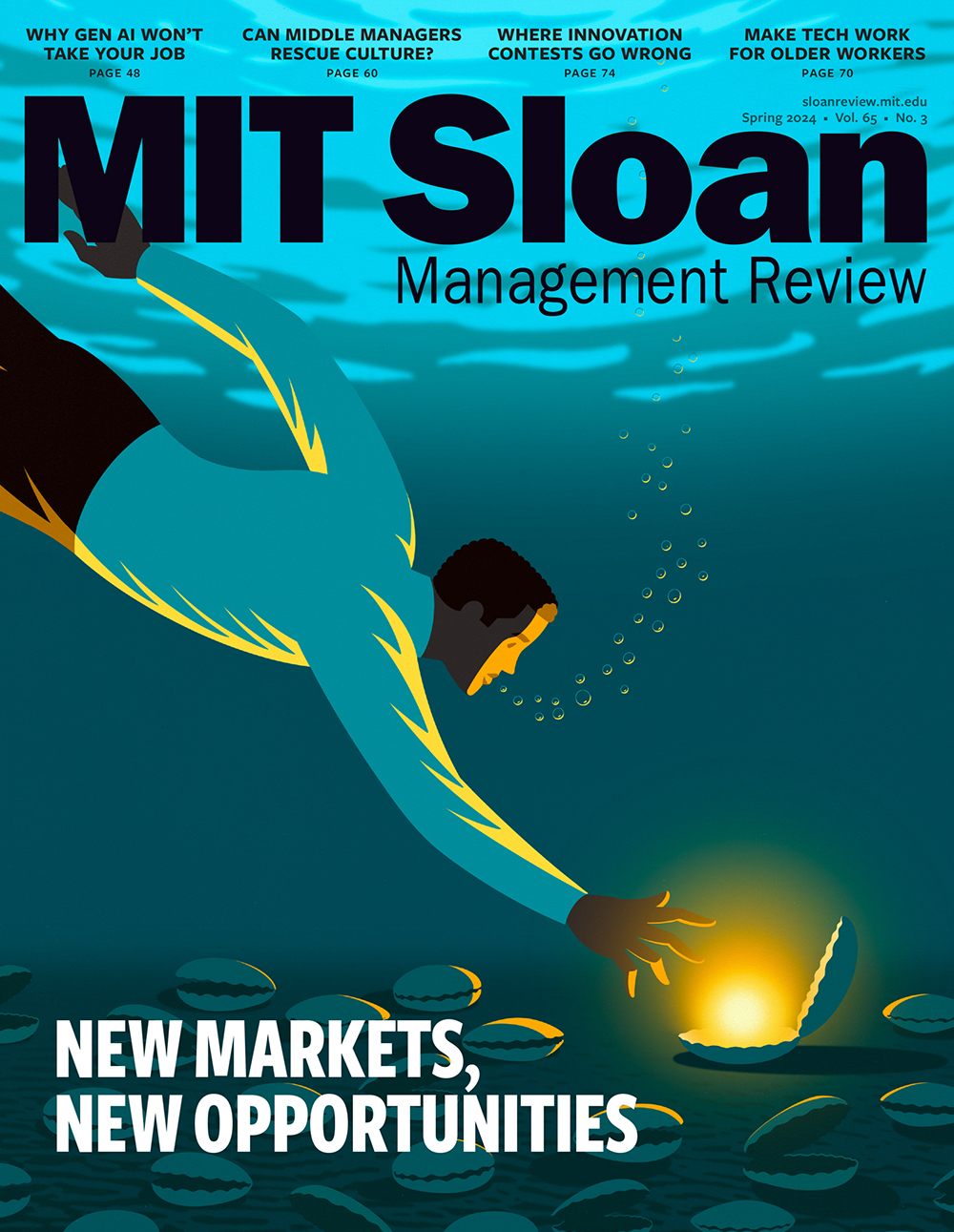
Spring 2024 Issue
Our spring 2024 issue focuses on opportunities in digital innovation, automation, generative AI, and more.

Our spring 2024 issue focuses on opportunities in digital innovation, automation, generative AI, and more.
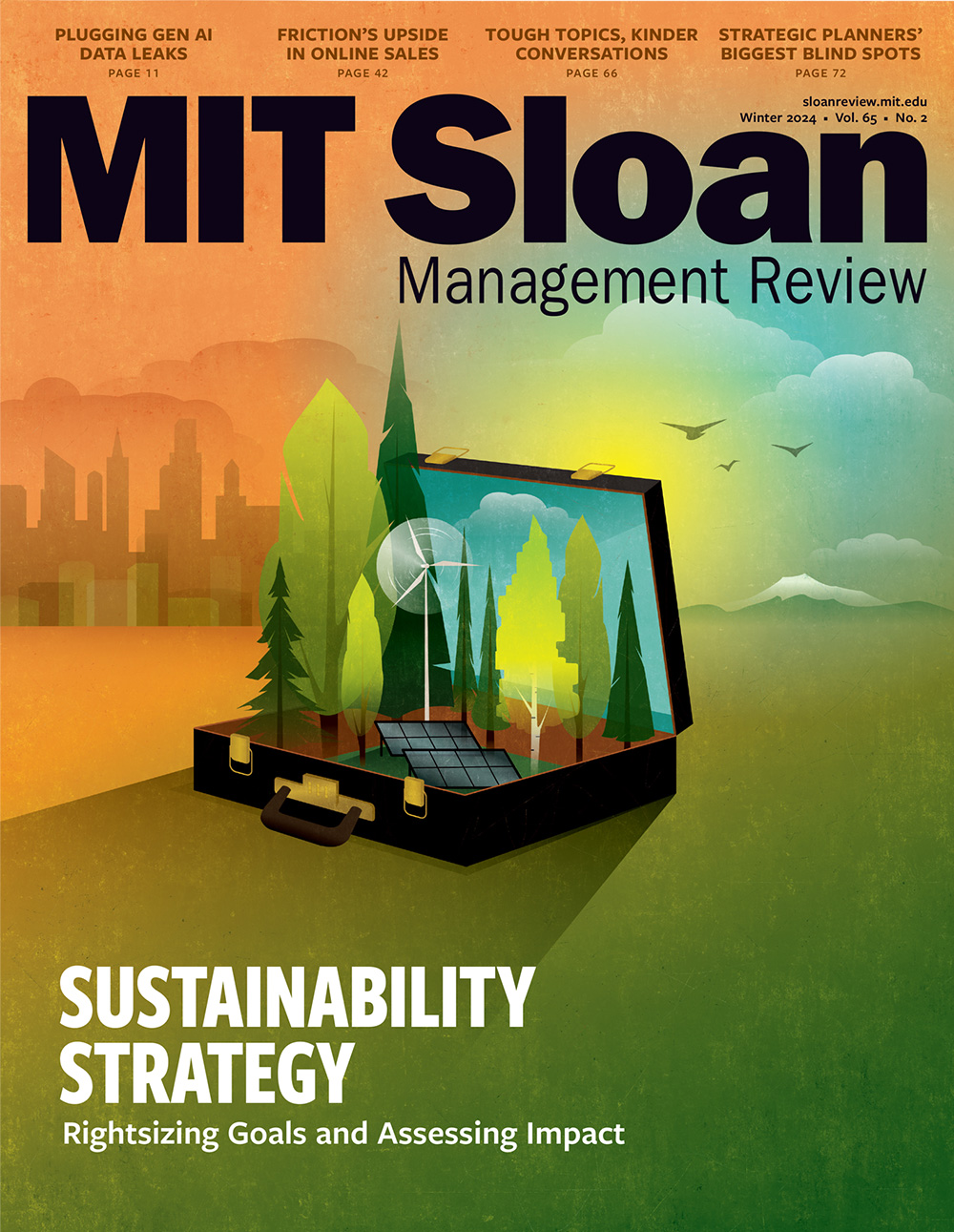
This issue focuses on sustainability, customer and employee engagement, and strategic planning.
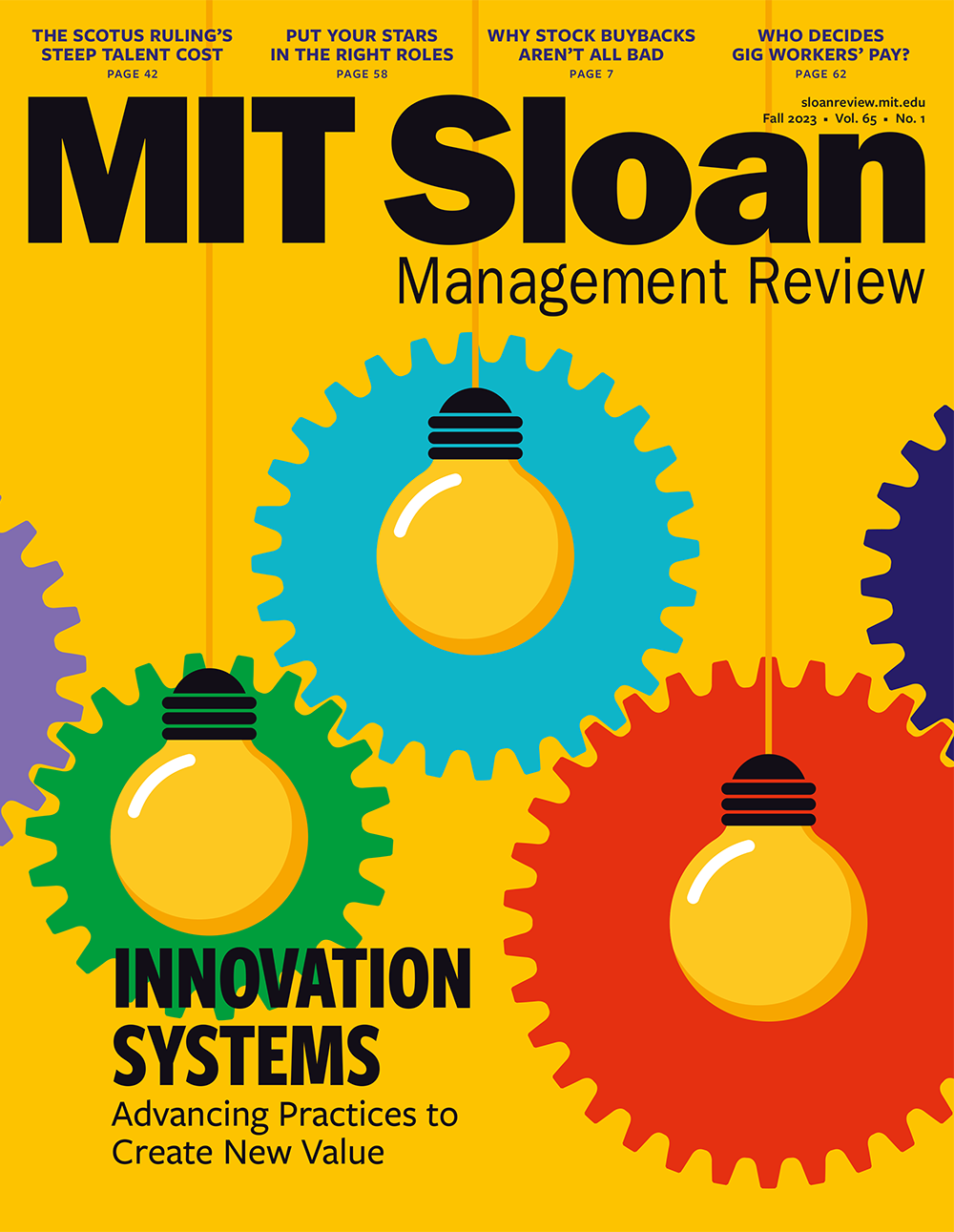
The fall 2023 issue of MIT Sloan Management Review takes a look at innovation systems and strategies for business leaders.
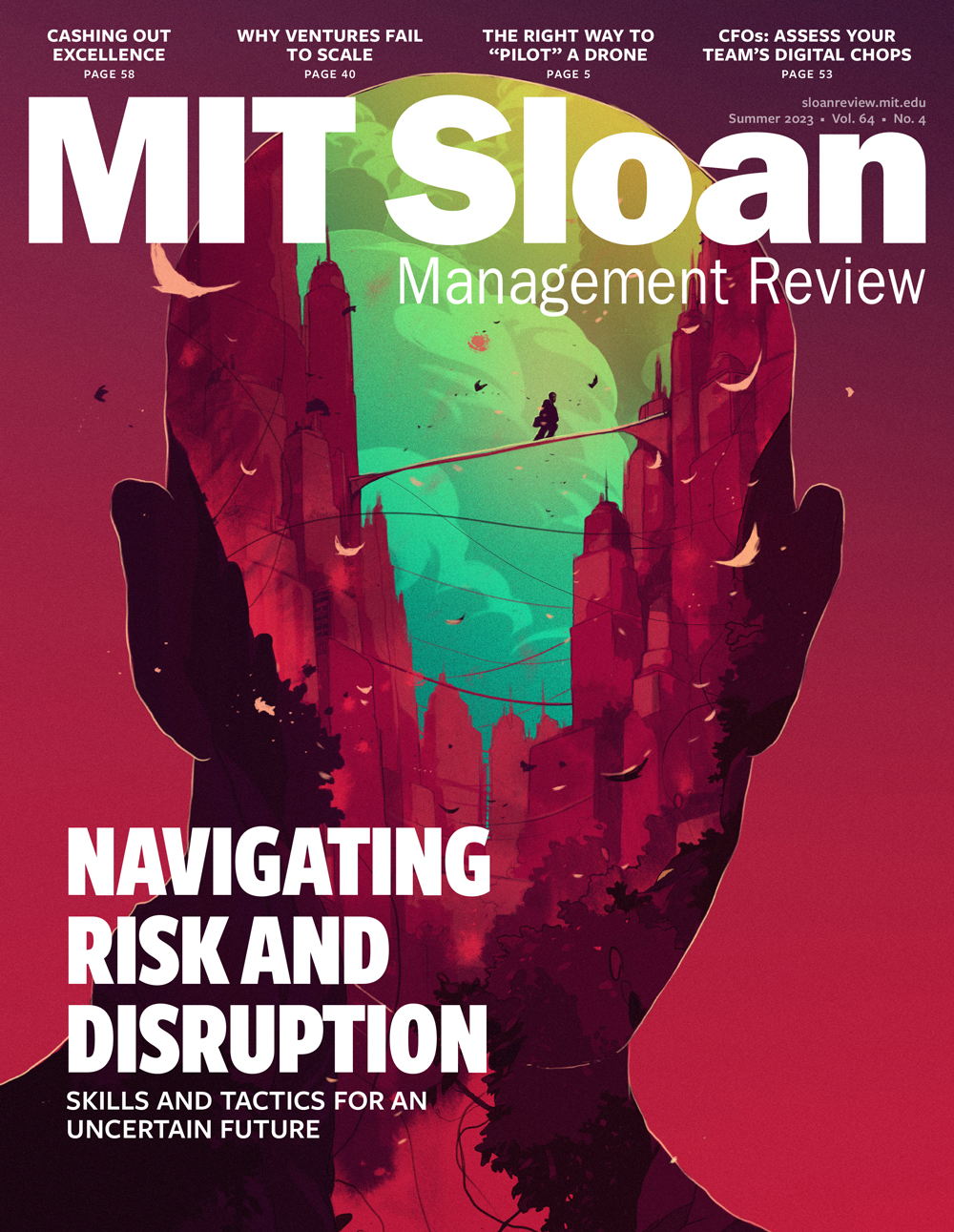
This issue’s special report covers how leaders can navigate risks and disruption.
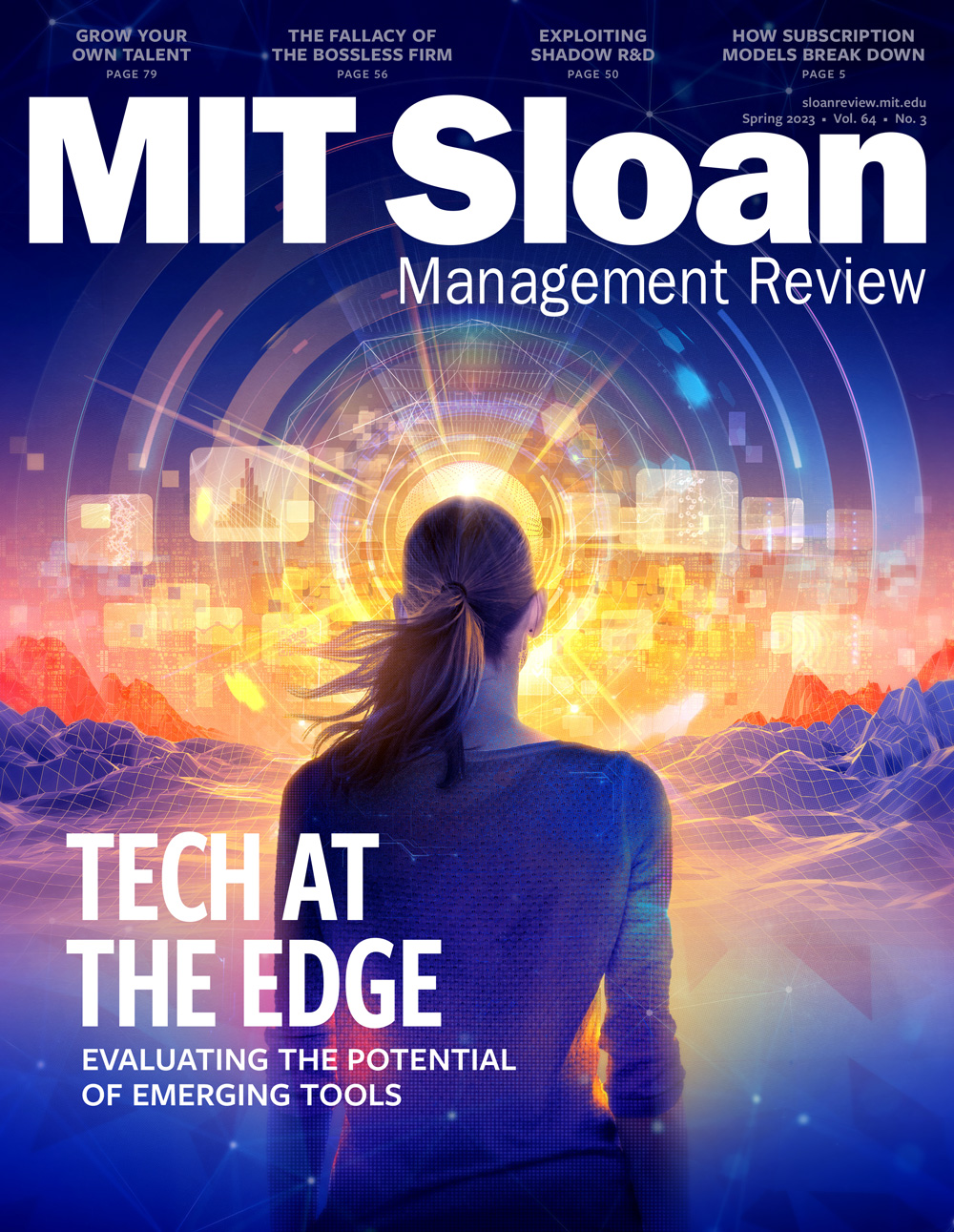
This issue focuses on emerging technologies, organizational structure, innovation, and employee well-being.
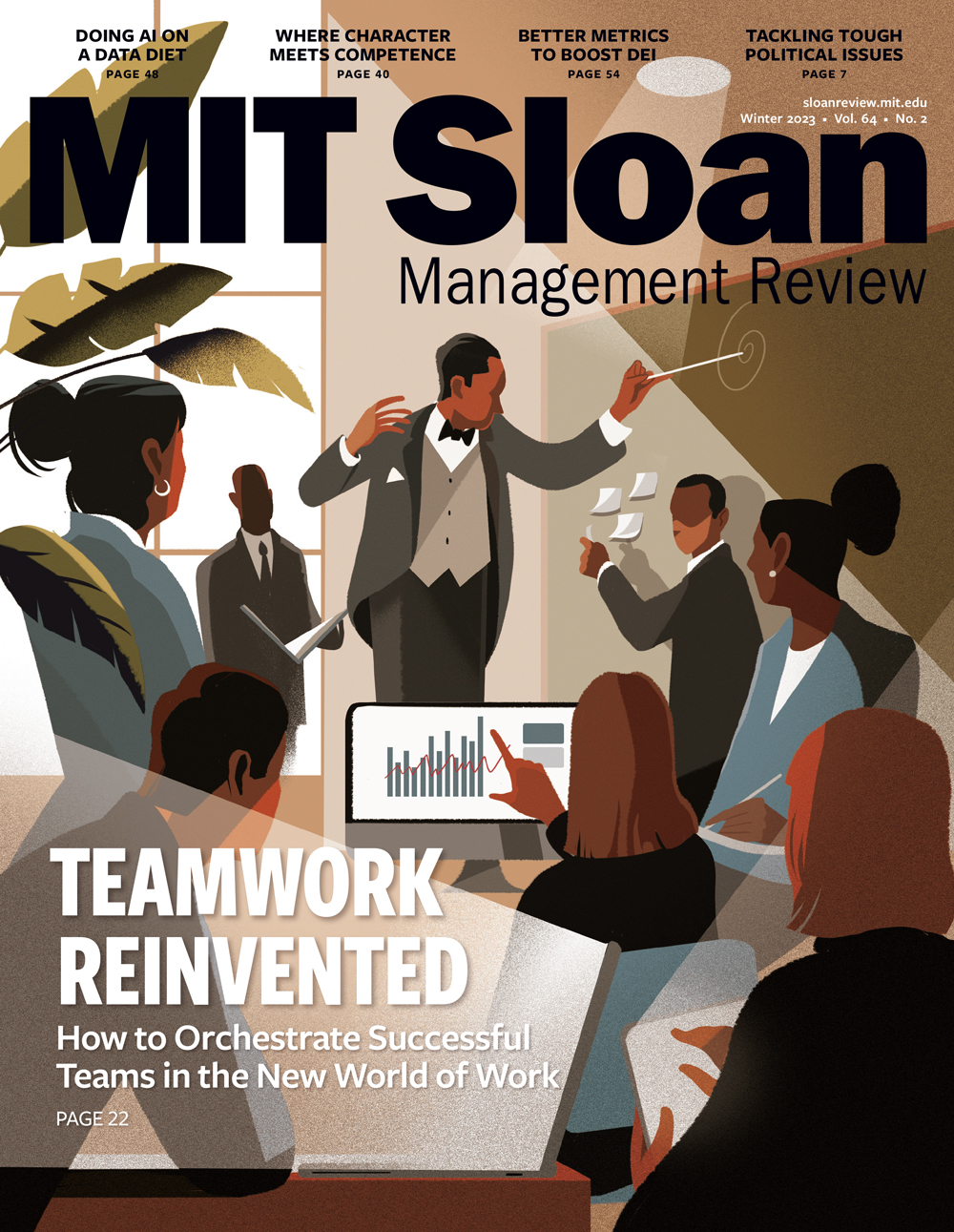
This issue offers insight on organizing project teams, fostering collaboration in hybrid work arrangements, and supporting employees through periods of high uncertainty.
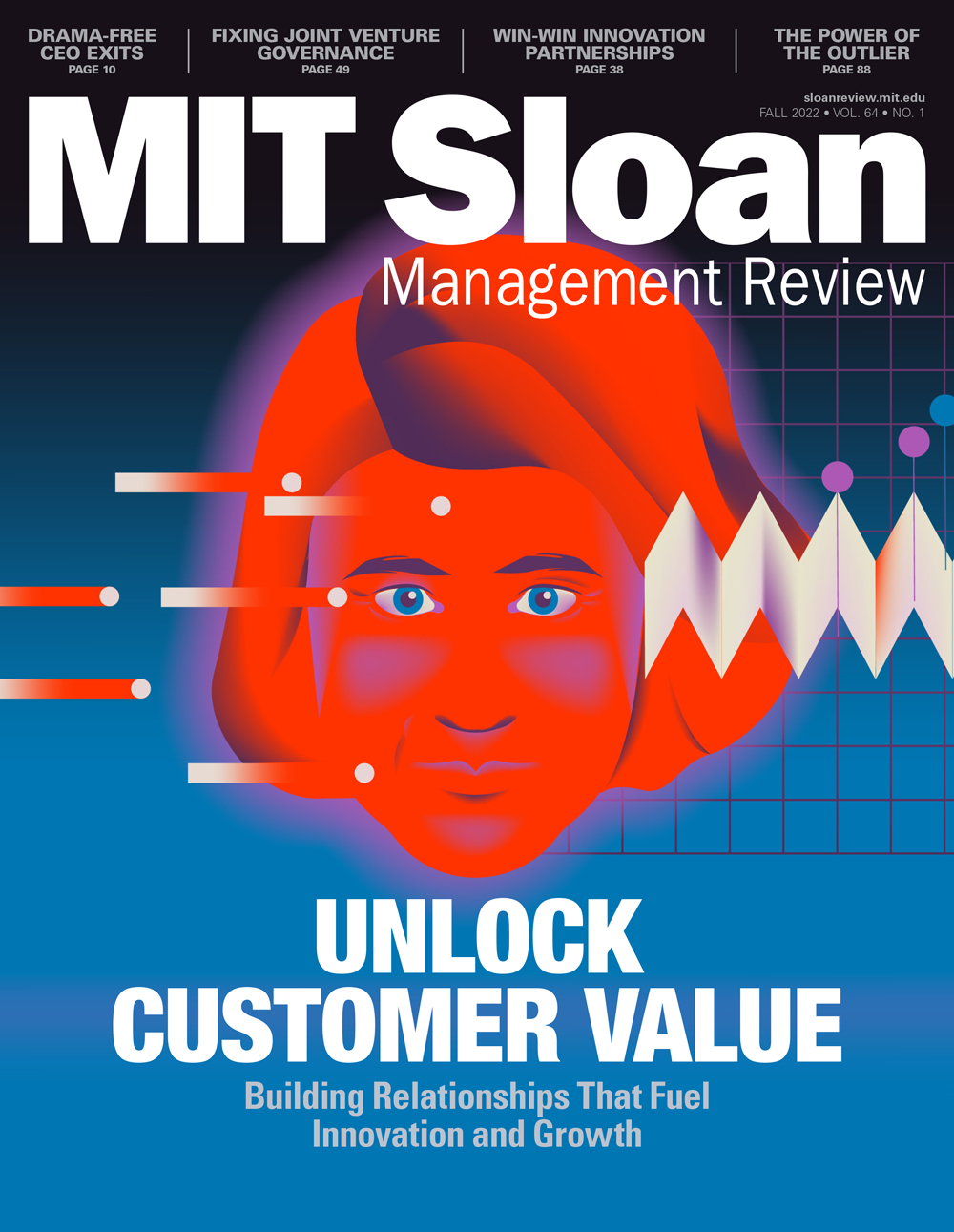
Our special report on customer value focuses on how to build relationships that fuel innovation and growth.
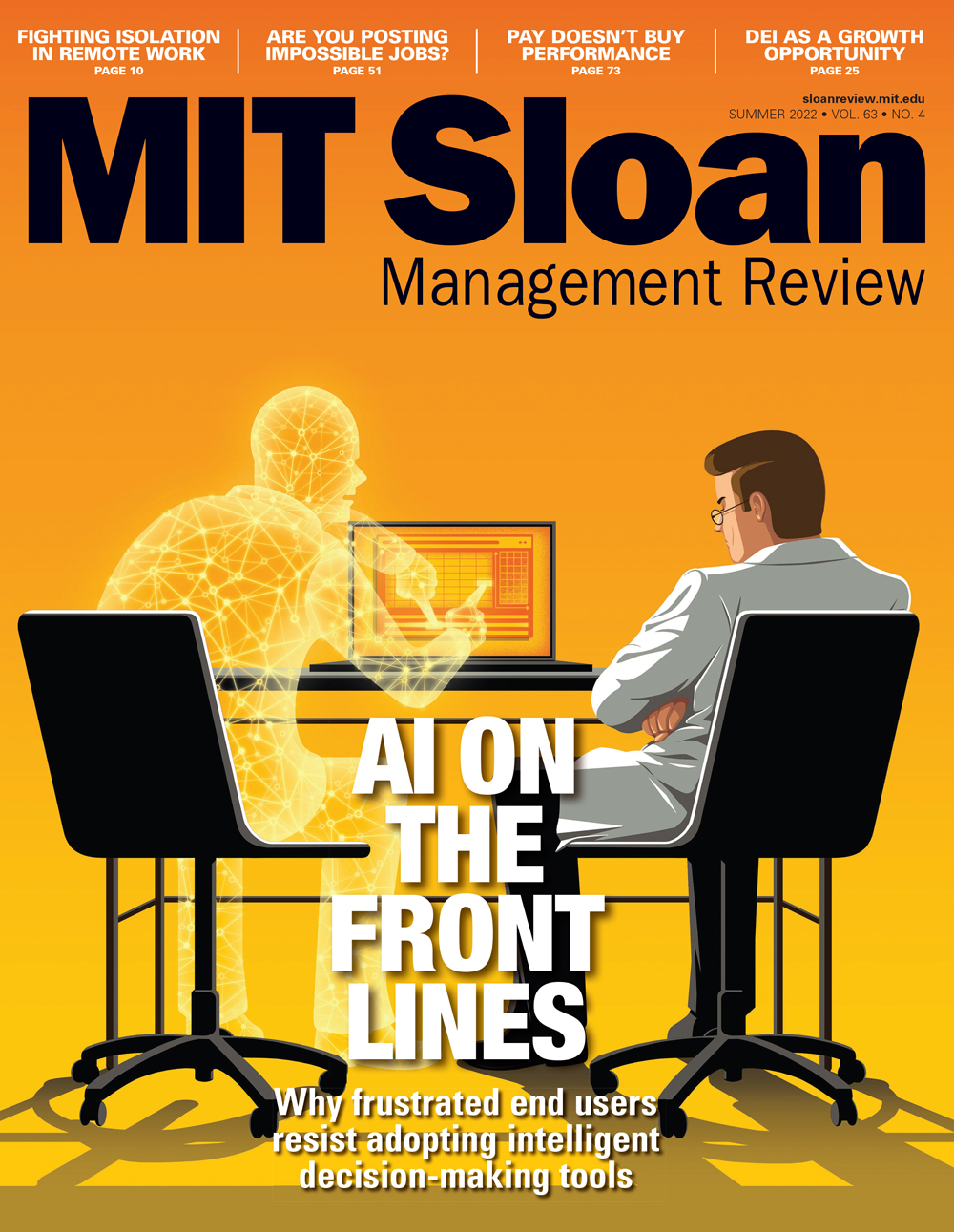
Our summer 2022 issue addresses C-suite turnover, end user AI anxiety, and employee motivation.
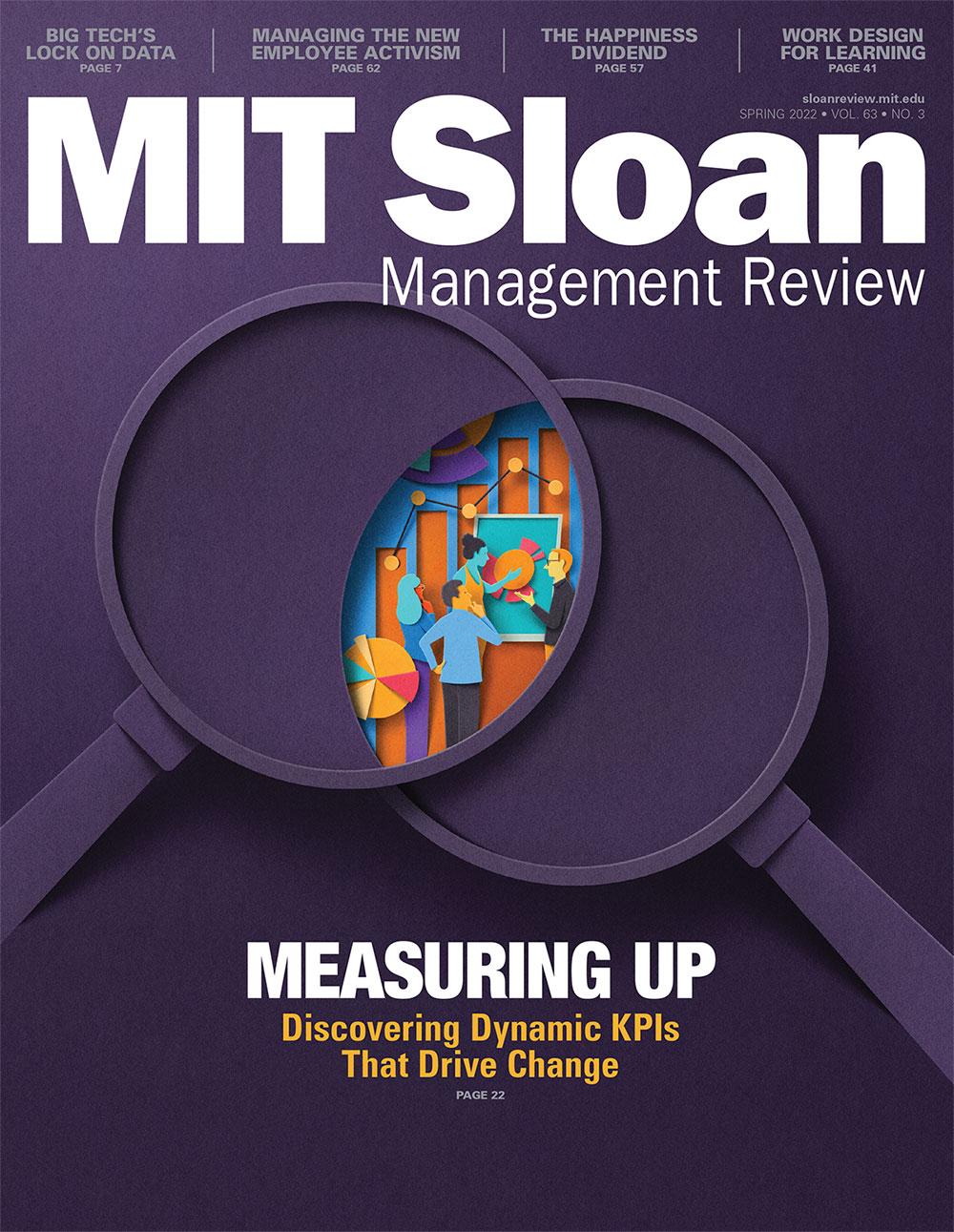
This issue’s special report explores new ways that leaders can identify which key performance indicators will advance their teams toward their ever-shifting objectives.
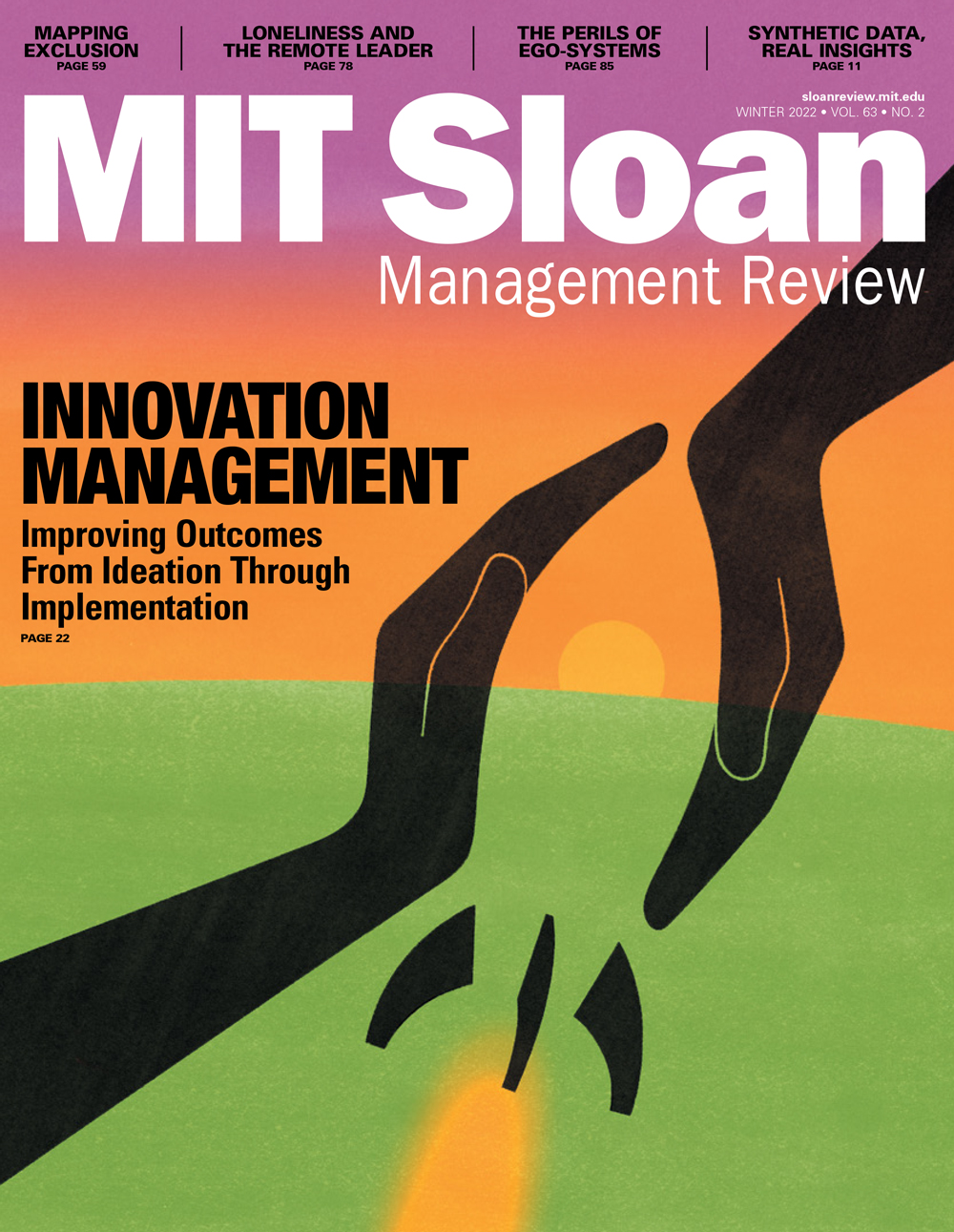
The winter 2022 issue of MIT SMR explores ideas to help leaders keep their organizations at the forefront of innovation.
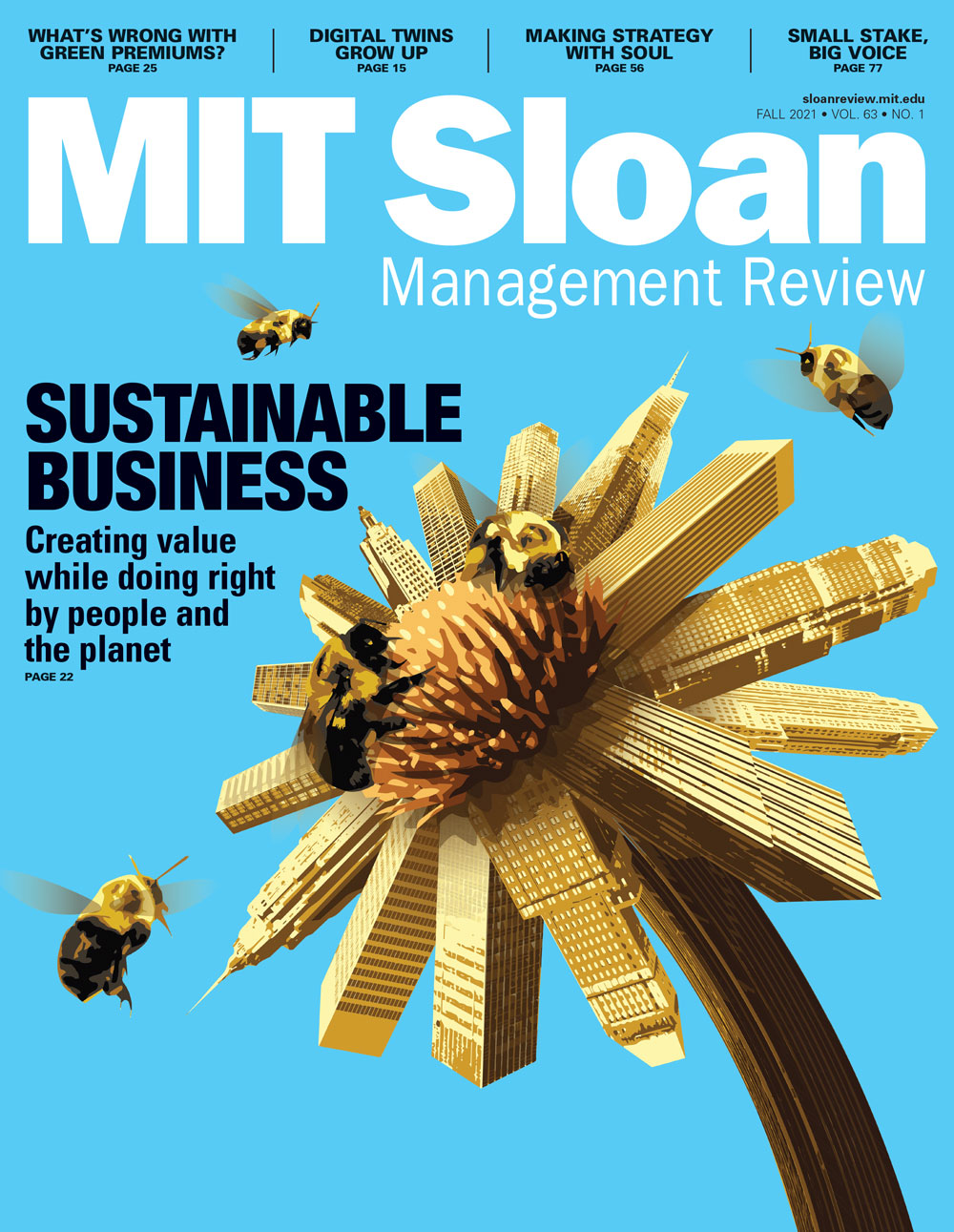
This issue’s special report focuses on sustainability strategies, including supply chain transparency, how pricing mechanisms can allow a company to do well by doing good, and opportunities in the large-scale decarbonization of some of the toughest sectors.
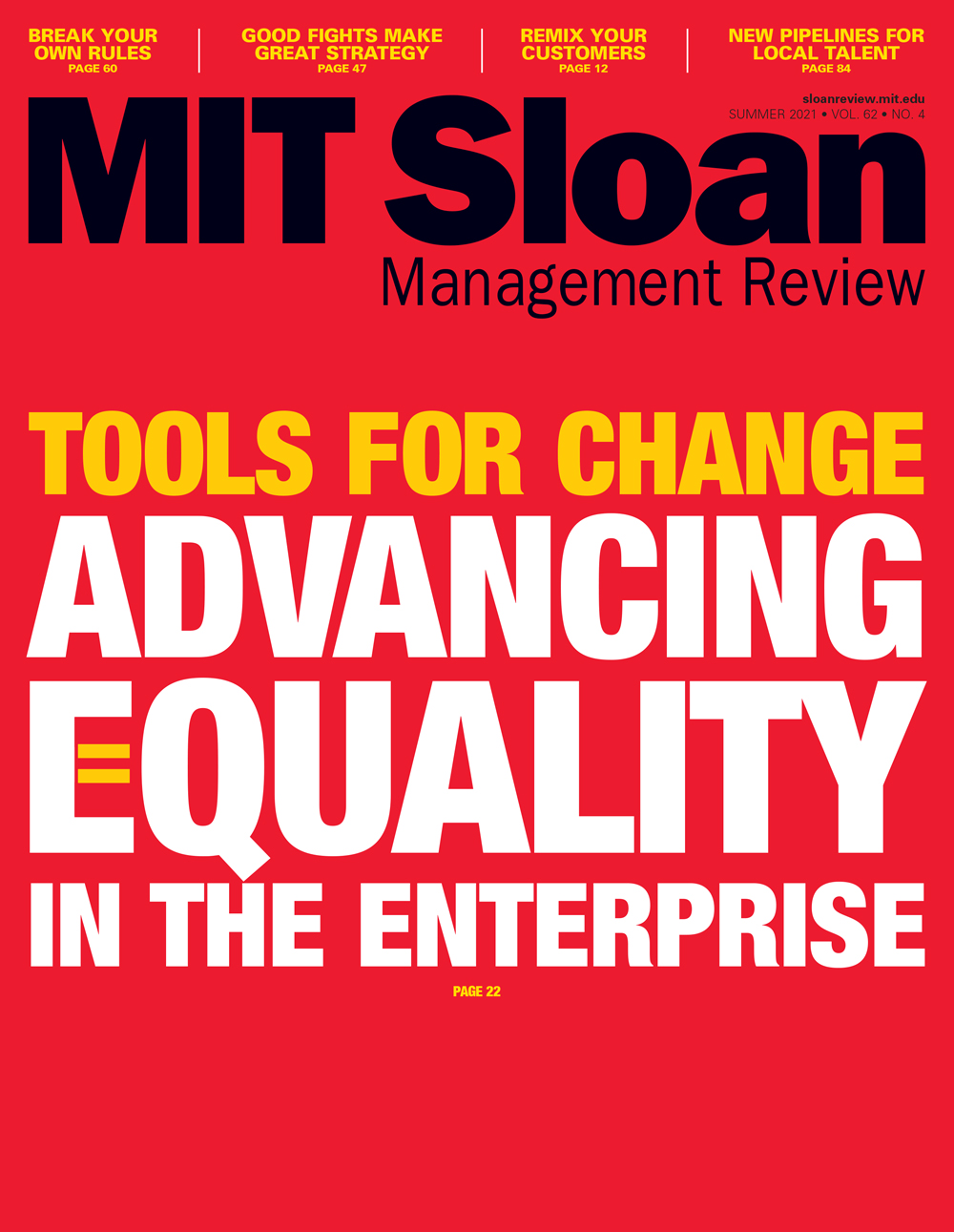
This issue’s special report offers tools and resources to help leaders address inequity in their organizations and in society.
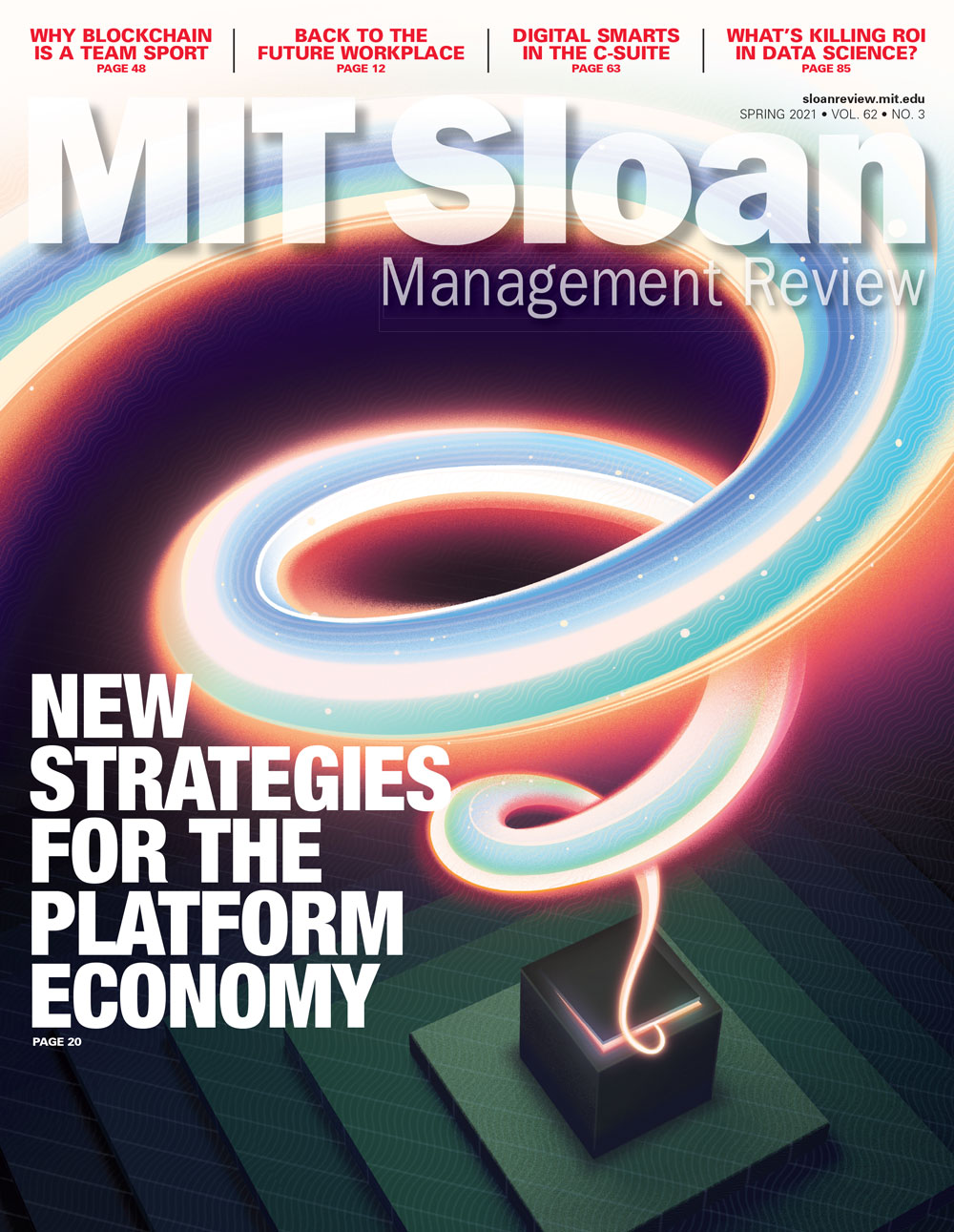
To reap the rewards and avoid the risks, companies exploring a platform business model must look carefully at their partnerships and growth strategy.
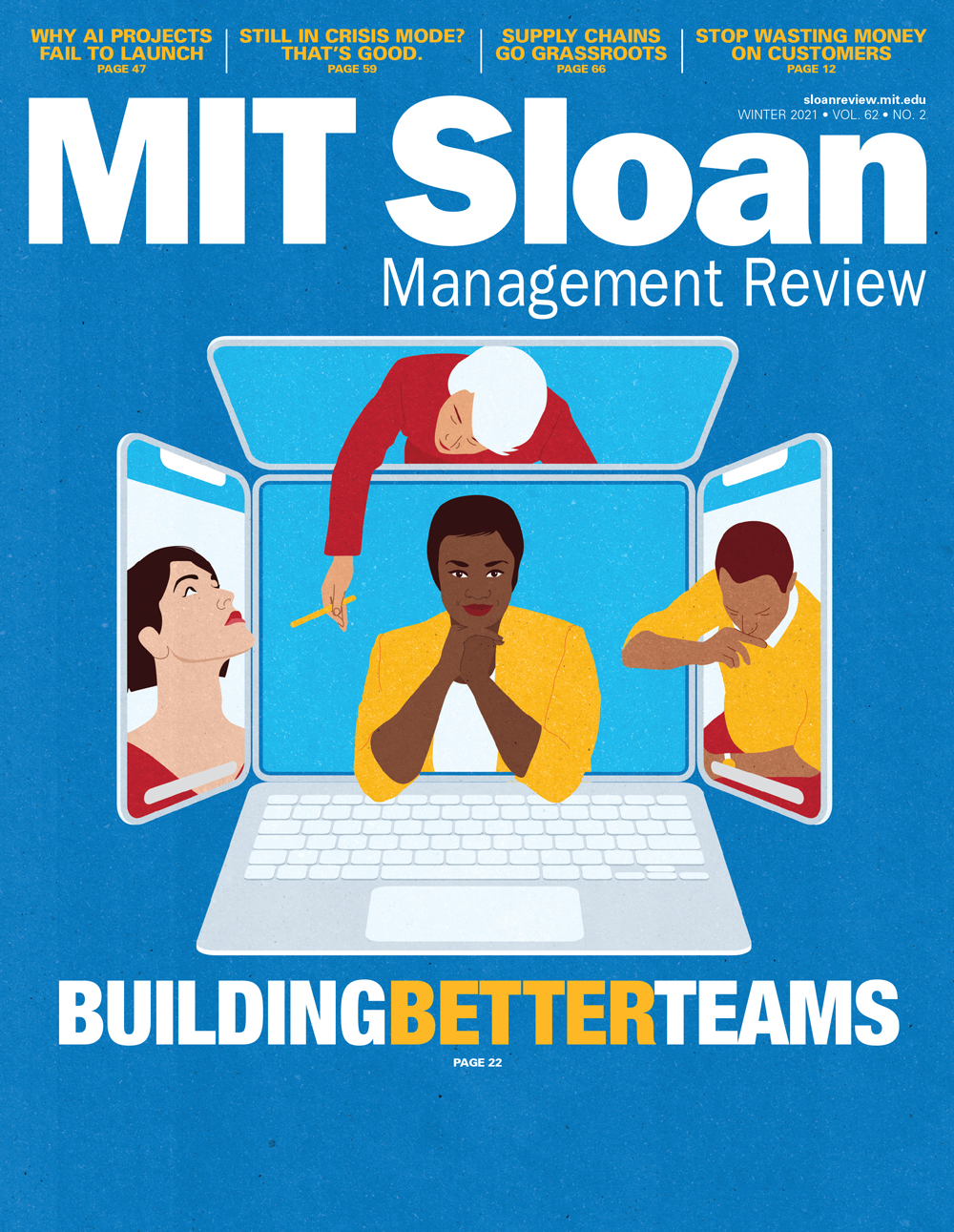
Our special report will help managers understand why teams work well, why they don’t, and how to ensure collaboration that delivers the best results.
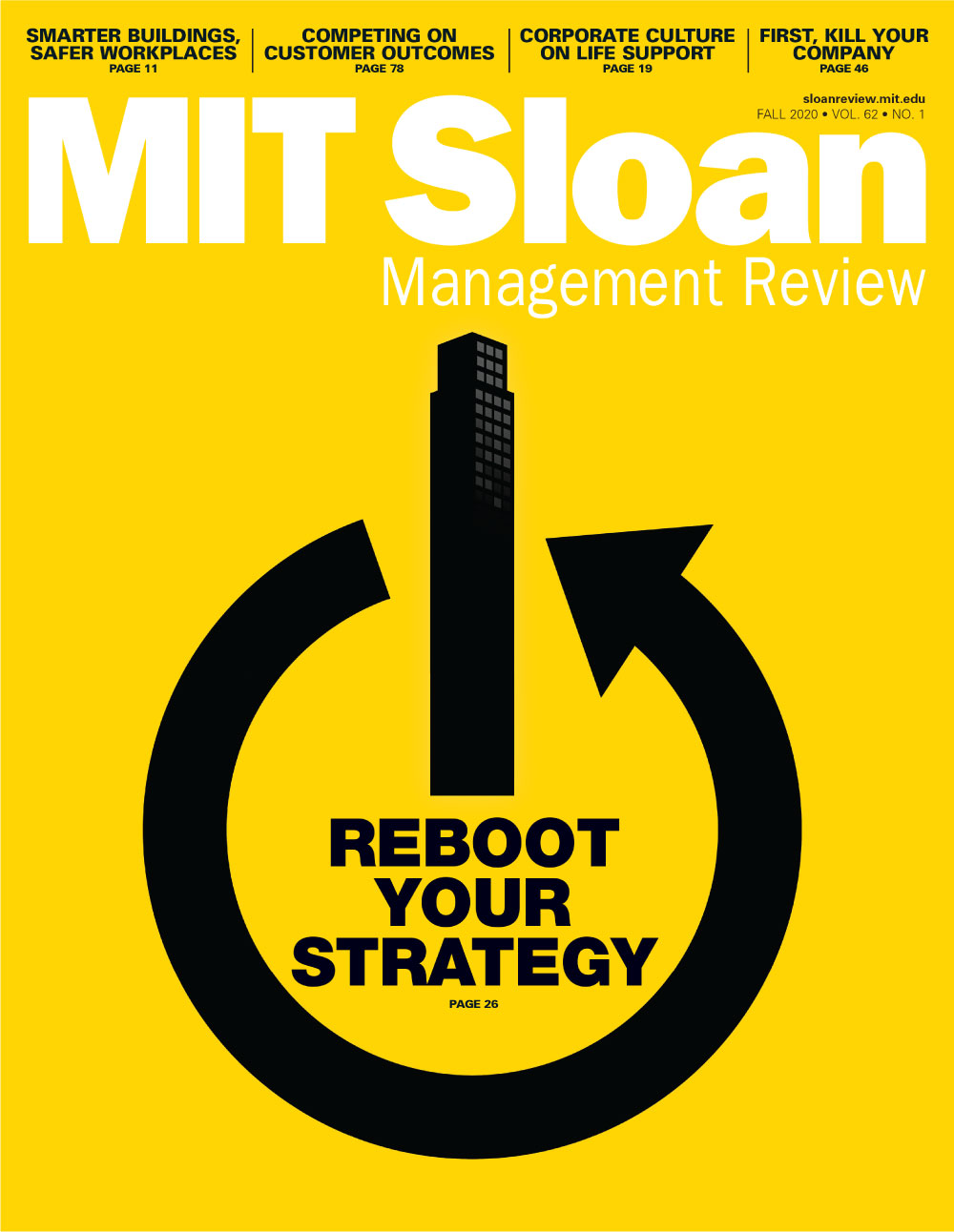
This issue’s special report explores how leaders can reshape their strategies for a reimagined future.
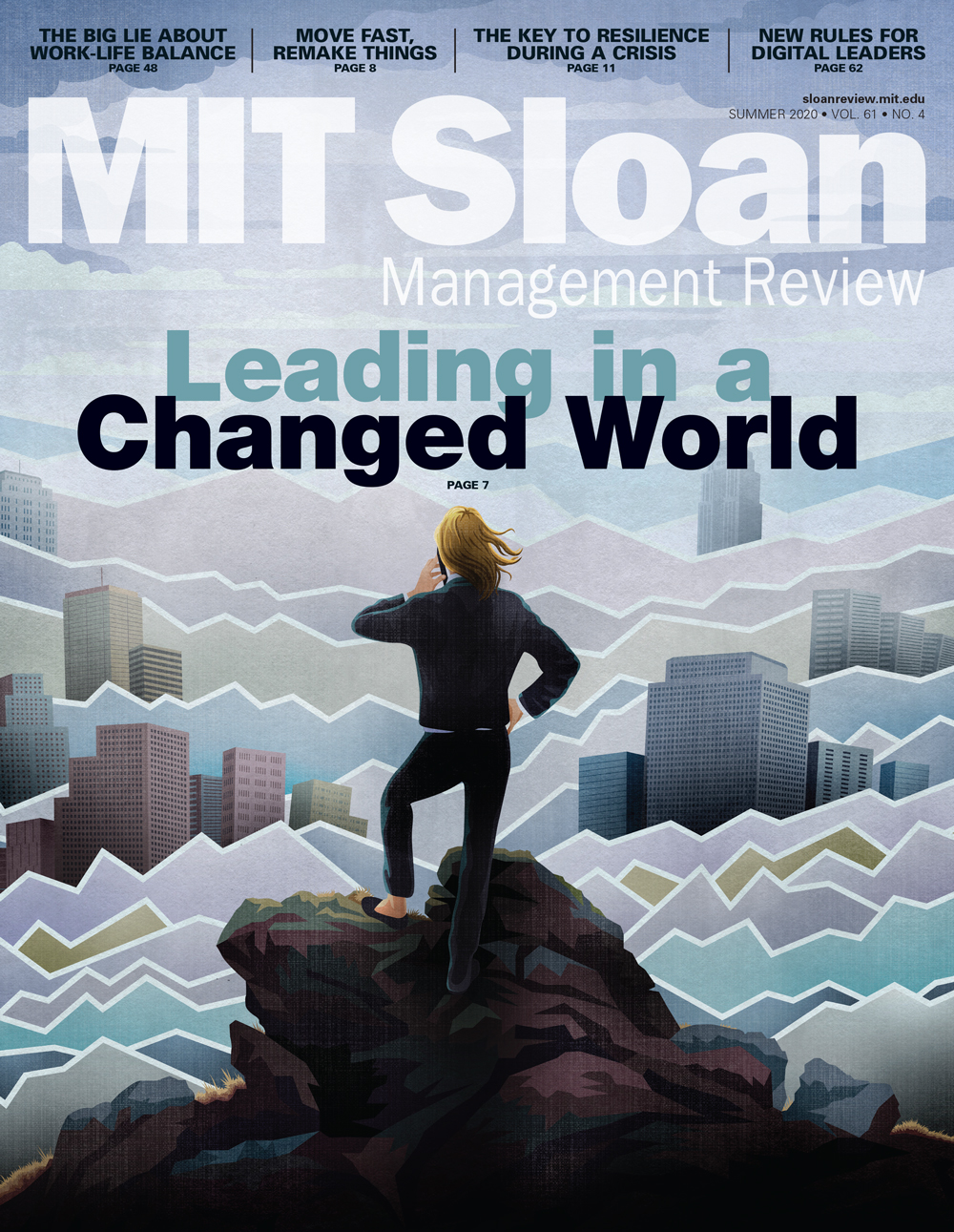
In this issue, we examine how to lead in a changed world.

Read our special issue on what it will take to innovate and compete over the next decade.
See our report on the nuts and bolts of digital transformation.
This issue features a collection of articles on collaborating with impact.
Read about talent in the digital age in this issue.