
Global Strategy
Reality Check: Deglobalization
There’s a widespread belief that U.S. companies are increasingly choosing to deglobalize. But is that really happening?

There’s a widespread belief that U.S. companies are increasingly choosing to deglobalize. But is that really happening?

Foreign companies in China should prepare for the possible detention of their executives if a business dispute arises.
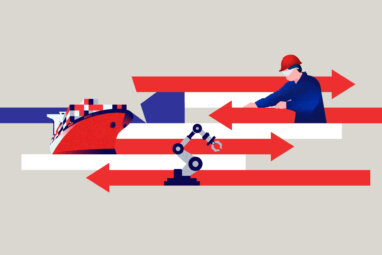
Geopolitics and supply chain resiliency are just two of the factors spurring some manufacturers to move back to the U.S.

Businesses must take a multilayered approach to effectively combat counterfeit and unauthorized sales of their products.

New OECD rules will change how businesses are taxed internationally by 2024. Here’s how multinationals should prepare.

A roundup of MIT SMR articles to help business leaders navigate the uncertainty and volatility of an economic downturn.

Multinationals should cultivate local ties in the countries where they operate to counterbalance government power.

Semiconductor manufacturers must invest in alternative sources for key materials to mitigate supply chain risks.

Strategists weigh in on the long-term effects of Russian sanctions on how companies respond to human rights abuses.

Digital globalization is transforming innovation, but opposing localization forces create risk that must be managed.

Learn how operating model transformation supports CP companies’ success now and in the future.

Multinationals must understand the forces driving both digital globalization and localization to optimize innovation.

Growing inflation and supply chain issues are raising concerns that a recession is looming. But companies can prepare.

When their operations intersect with labor or human rights abuses, companies need to have a plan of action at the ready.

Three trends are reshaping global strategy and operations for the world’s largest companies.
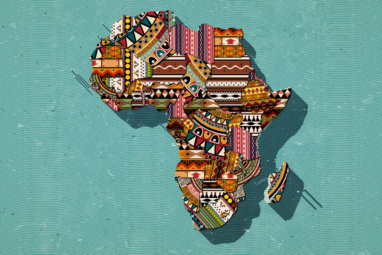
Africa needs more trainees with both tech and employability skills to support its booming digital economy.

Societies shaped by individualism may have an edge when it comes to growth through innovation.

Companies can and should take meaningful action in response to human rights abuses by governments.

Past pandemics changed the course of history, but our knowledge economy may limit the impact of COVID-19.

COVID-19’s impact on in-person work and global value chains may slow down innovation, too.